

Hepatobiliary and pancreatic cancers represent some of the most intricate and aggressive malignancies of the digestive system. These cancers arise in vital organs such as the liver, gallbladder, bile ducts, and pancreas—structures that play a central role in metabolism, digestion, and detoxification. Due to their deep anatomical location and often subtle early symptoms, these conditions are frequently diagnosed at an advanced stage, making specialized, precision-driven care absolutely essential.
Under the leadership of Dr. RJ Dinesh Reddy, patients have access to advanced Hepatobiliary and pancreatic cancer surgery in Vijayawada, delivered through a dedicated program that integrates diagnostic excellence, surgical mastery, and comprehensive oncology care.
UNDERSTANDING HEPATOBILIARY AND PANCREATIC MALIGNANCIES
Hepatobiliary–pancreatic cancers encompass a spectrum of complex diseases, including liver cancer (hepatocellular carcinoma), cholangiocarcinoma (bile duct cancer), gallbladder cancer, and pancreatic adenocarcinoma. These malignancies are biologically aggressive and demand an integrated approach that extends beyond conventional cancer treatment.
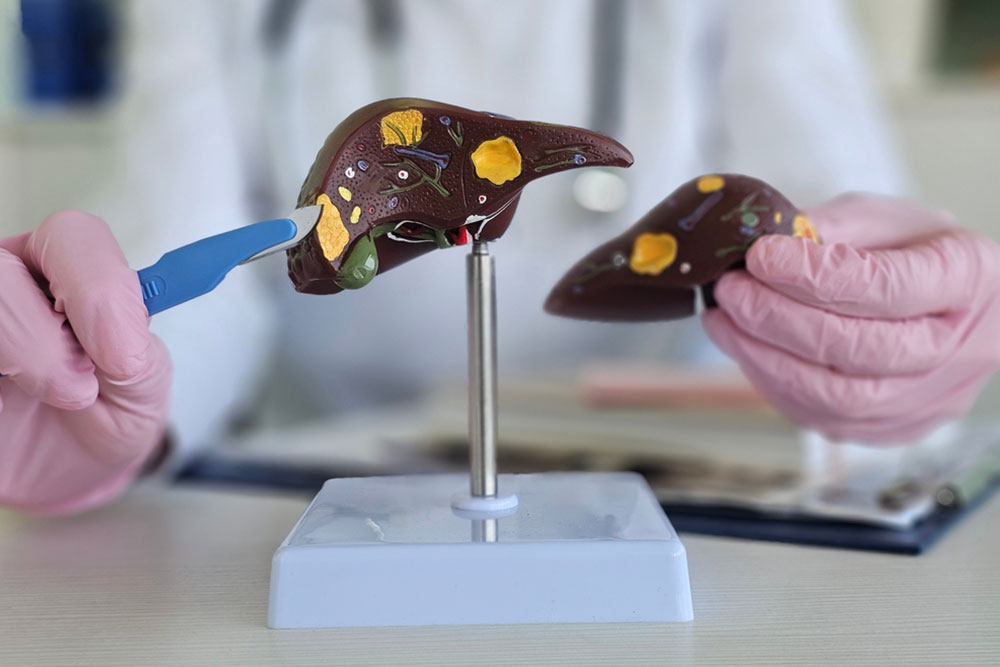
Common warning signs may include:
- Persistent abdominal or back pain
- Unexplained weight loss and fatigue
- Jaundice (yellowing of skin and eyes)
- Digestive disturbances or loss of appetite
- Changes in stool or urine color
Early detection significantly improves outcomes, highlighting the importance of expert-led evaluation and timely intervention.
PRECISION DIAGNOSTICS AND STAGING
Accurate diagnosis and staging form the foundation of effective hepatobiliary and pancreatic cancer care. These tumors require sophisticated diagnostic tools such as multiphasic CT scans, MRI with MRCP, PET-CT, and endoscopic ultrasound-guided biopsies. These investigations define tumor extent, vascular involvement, lymph node spread, and distant metastasis.
Meticulous staging allows clinicians to:
- Determine surgical resectability
- Plan chemotherapy or radiation sequencing
- Predict prognosis and survival outcomes
- Customize therapy for each patient
This precision ensures that all treatment decisions are firmly grounded in evidence-based medicine.
ADVANCED SURGICAL ONCOLOGY FOR HPB CANCERS
Surgery remains the only potentially curative option for many hepatobiliary and pancreatic cancers. These operations are among the most technically demanding in modern oncology and require exceptional expertise.
Surgical procedures may include:
- Liver cancer surgery in Vijayawada, including major and segmental hepatectomy
- Gallbladder cancer surgery in Vijayawada with regional lymphadenectomy
- Bile duct cancer surgery in Vijayawada with complex biliary reconstruction
- Pancreatic resections, including Whipple’s procedure (pancreaticoduodenectomy)
- Minimally invasive and robotic surgery in Vijayawada for selected cases
Under Dr. R. J. Dinesh Reddy’s expertise, surgical strategies focus on complete tumor clearance while preserving maximal organ function, improving recovery, and optimizing long-term outcomes.
MULTIMODAL CANCER THERAPY
Modern hepatobiliary and pancreatic cancer treatment is no longer limited to surgery alone. A multimodal strategy integrates systemic and localized therapies to improve survival and control disease progression.
This may include:
- Neoadjuvant chemotherapy to shrink tumors before surgery
- Adjuvant chemotherapy to eliminate microscopic residual disease
- Targeted therapy for specific genetic or molecular profiles
- Radiation therapy to control local tumor growth
By combining these modalities, clinicians are able to attack the cancer from multiple angles, increasing the likelihood of long-term remission.
PERSONALIZED AND PATIENT-CENTRIC CARE
Every patient’s cancer biology and treatment tolerance are unique. Personalized care plans are developed through multidisciplinary tumor boards involving surgical oncologists, medical oncologists, radiologists, pathologists, and supportive care specialists.
This collaborative approach ensures:
- Optimal sequencing of treatments
- Reduced treatment-related toxicity
- Improved nutritional and psychological support
- Better overall treatment tolerance and outcomes
The focus remains on treating the patient as a whole, not just the disease.
POST-TREATMENT SURVEILLANCE AND SURVIVORSHIP
Even after successful treatment, vigilant follow-up is essential due to the risk of recurrence. Structured surveillance programs are designed to detect relapse early and manage long-term effects of treatment.
Long-term care includes:
- Periodic imaging and blood investigations
- Nutritional and digestive rehabilitation
- Pain management and physiotherapy
- Counseling and survivorship planning
Such comprehensive follow-up enables patients to regain strength, resume daily life, and maintain long-term well-being.
A NEW HORIZON IN HPB CANCER CARE
Hepatobiliary and pancreatic cancers demand an extraordinary level of clinical sophistication. Through the integration of advanced diagnostics, high-precision surgery, and personalized oncology care, patients today have access to treatment options that were unimaginable a decade ago.
With expert-led Hepatobiliary and pancreatic cancer surgery in Vijayawada, delivered by Dr. RJ Dinesh Reddy, patients are offered renewed hope, extended survival, and a meaningful improvement in quality of life—even in the face of some of the most challenging cancers in modern medicine.
Useful Links
- Head and Neck Cancers
- Breast Cancers
- Gynecological Cancers
- Upper gastrointestinal cancers
- Lower gastrointestinal cancers
- Hepatobiliary & pancreatic cancers
- Soft tissue & Bone Cancers
- Uro Oncology
- Robotic Cancer Surgery
- Peritoneal Cancer Surgery
- Surgical Oncologist in Guntur
- Cancer Surgeon in Vijayawada