

Robotic cancer surgery represents a paradigm shift in oncologic care, combining surgical mastery with state-of-the-art robotic technology to deliver unparalleled precision and control. This advanced minimally invasive approach allows complex cancer procedures to be performed with enhanced accuracy, reduced trauma, and improved functional outcomes. With a strong emphasis on oncologic safety and organ preservation, Dr. RJ Dinesh Reddy, widely regarded as the Best Robotic cancer surgeon in Vijayawada, leads robotic cancer surgery with a philosophy rooted in innovation, evidence-based practice, and patient-centred care.
UNDERSTANDING ROBOTIC CANCER SURGERY
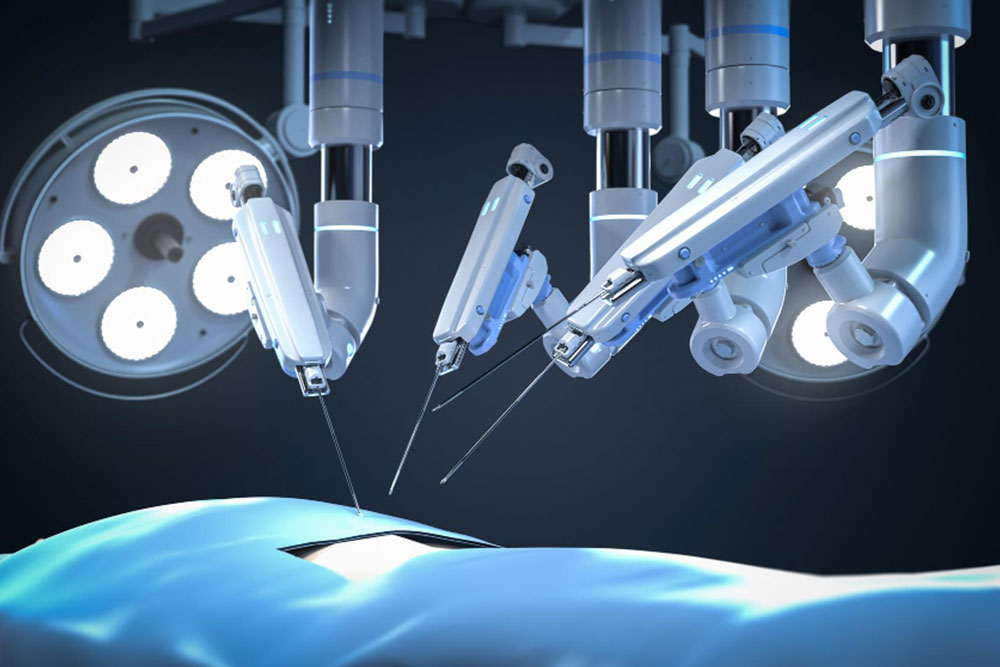
Robotic cancer surgery is a minimally invasive surgical technique in which the surgeon operates through a robotic platform equipped with high-definition 3D visualization and articulated micro-instruments. Unlike conventional open surgery, robotic systems translate the surgeon’s hand movements into precise, tremor-free actions inside the body. This enables meticulous dissection of tumors located in anatomically complex or confined spaces, while preserving surrounding healthy tissues—making robotic cancer treatment in Vijayawada a preferred option for select cancers.
CANCERS COMMONLY TREATED WITH ROBOTIC TECHNIQUES
Robotic platforms have expanded the scope of minimally invasive oncology, making them suitable for a wide range of solid tumors. Common indications include:
- Head and neck cancers
- Oral cavity and oropharyngeal tumors
- Thyroid and salivary gland cancers
- Gastrointestinal malignancies
- Gynecologic cancers
- Select urologic and thoracic cancers
Each patient is carefully evaluated to determine whether robotic surgery offers the greatest oncologic and functional benefit.
ADVANTAGES OF ROBOTIC CANCER SURGERY
The clinical value of robotic surgery lies in its ability to enhance surgical outcomes while minimizing patient morbidity. Key advantages include:
- Exceptional Precision: Enhanced dexterity allows accurate tumor excision with clear margins
- Minimal Invasiveness: Smaller incisions result in less pain and reduced blood loss
- Improved Visualization: High-definition 3D optics enable superior identification of vital structures
- Faster Recovery: Shorter hospital stays and quicker return to daily activities
- Better Functional Outcomes: Improved preservation of speech, swallowing, and cosmetic appearance
These benefits collectively translate into improved quality of life without compromising cancer control.
SURGICAL PLANNING AND OPERATIVE EXCELLENCE
Robotic cancer surgery begins with meticulous preoperative planning. Advanced imaging, endoscopic assessment, and staging investigations are used to map tumor extent and plan the surgical pathway. During the procedure, the surgeon operates from a dedicated console, controlling robotic arms that execute movements with sub-millimeter accuracy. This level of control is particularly advantageous in regions dense with nerves and blood vessels.
EXPERTISE THAT DEFINES OUTCOMES
The success of robotic oncologic surgery is deeply dependent on the surgeon’s experience and judgment. As a Robotic cancer surgery specialist in Vijayawada and an Experienced and leading cancer surgeon in Vijayawada, Dr. R.J. Dinesh Reddy brings extensive expertise in both cancer biology and robotic surgical techniques. His approach ensures that technology enhances clinical decision-making while prioritizing complete oncologic clearance and long-term functional preservation.
MULTIDISCIPLINARY INTEGRATION IN CANCER CARE
Robotic surgery is often one component of a comprehensive cancer treatment strategy. A multidisciplinary tumor board collaborates to integrate:
- Surgery
- Radiation therapy (including IMRT and image-guided modalities)
- Chemotherapy and targeted agents
- Immunotherapy where indicated
This coordinated approach ensures individualized treatment pathways and optimal disease control.
RECOVERY, REHABILITATION, AND FOLLOW-UP
Patients undergoing robotic cancer surgery typically experience smoother postoperative recovery. Reduced pain, early mobilization, and faster resumption of oral intake are common advantages. Long-term follow-up includes surveillance for recurrence, functional rehabilitation, and supportive care to address nutritional, speech, or swallowing needs when relevant.
THE FUTURE OF SURGICAL ONCOLOGY
Robotic cancer surgery symbolizes the future of surgical oncology—where precision, personalization, and technological innovation converge. By minimizing surgical trauma while maximizing oncologic accuracy, this approach redefines what is possible in cancer treatment. Under the expert leadership of Dr. RJ Dinesh Reddy, robotic cancer treatment in Vijayawada offers patients a powerful combination of safety, efficacy, and hope—empowering them to face cancer with confidence and clarity.
Useful Links
- Head and Neck Cancers
- Breast Cancers
- Gynecological Cancers
- Upper gastrointestinal cancers
- Lower gastrointestinal cancers
- Hepatobiliary & pancreatic cancers
- Soft tissue & Bone Cancers
- Uro Oncology
- Robotic Cancer Surgery
- Peritoneal Cancer Surgery
- Surgical Oncologist in Guntur
- Cancer Surgeon in Vijayawada