

Peritoneal cancer surgery represents one of the most sophisticated domains of oncologic care, addressing malignancies that involve the peritoneum—the delicate membrane lining the abdominal cavity and enveloping vital organs. These cancers may arise primarily from the peritoneum or secondarily from gastrointestinal and gynecologic tumors that spread within the abdominal cavity. Delivering effective treatment requires exceptional surgical precision, multidisciplinary coordination, and a deep understanding of tumor biology. Under the expert guidance of Dr. RJ Dinesh Reddy, a leading cancer surgery specialist in Vijayawada, peritoneal cancer surgery is approached with a commitment to maximal disease control and meaningful improvement in survival and quality of life.
UNDERSTANDING PERITONEAL CANCER
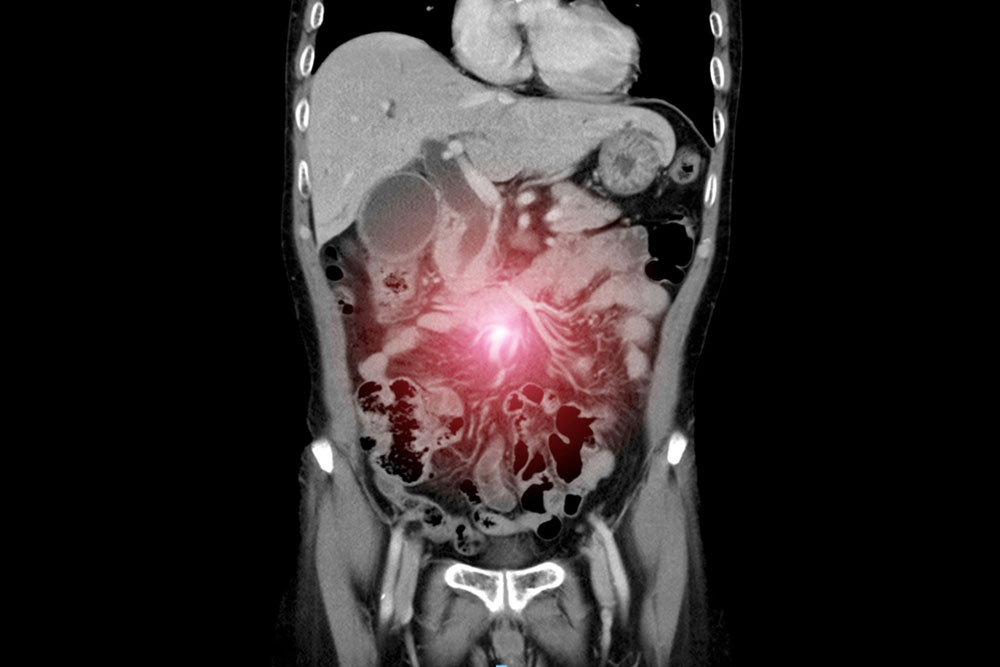
Peritoneal cancer occurs when malignant cells develop or disseminate across the peritoneal surfaces. It is most associated with cancers of the ovary, colon, appendix, stomach, and pancreas, though it may also present as primary peritoneal carcinoma. These malignancies often remain confined to the abdominal cavity but can extensively coat organs, making treatment particularly challenging without specialized expertise in advanced peritoneal cancer care in Vijayawada.
INDICATIONS FOR PERITONEAL CANCER SURGERY
Surgery is the cornerstone of treatment in carefully selected patients, particularly when the disease is limited to the peritoneal cavity and amenable to complete or near-complete tumor removal. Indications may include:
- Peritoneal carcinomatosis from colorectal or appendiceal cancer
- Advanced ovarian cancer with peritoneal spread
- Primary peritoneal carcinoma
- Selected gastric cancers with limited peritoneal involvement
- Recurrent abdominal malignancies confined to the peritoneum
Patient selection is critical, as outcomes depend heavily on disease extent and overall physiological fitness, best assessed by a dedicated peritoneal cancer specialist in Vijayawada.
COMPREHENSIVE PREOPERATIVE EVALUATION
Before surgery, patients undergo an extensive evaluation to determine operability and predict outcomes. This includes high-resolution imaging, tumor marker analysis, nutritional assessment, and cardiopulmonary evaluation. Diagnostic laparoscopy may be employed to assess tumor burden and feasibility of complete cytoreduction. These steps ensure that Peritoneal Cancer Surgery in Vijayawada is offered only when it provides a meaningful therapeutic advantage.
CYTOREDUCTIVE SURGERY: THE CORE OF TREATMENT
Cytoreductive surgery aims to remove all visible tumor deposits from the peritoneal surfaces and affected organs. This may involve multi-organ resections and meticulous stripping of tumor-bearing peritoneum. The success of this procedure lies in achieving minimal residual disease, which directly correlates with long-term survival.
Key components of cytoreductive surgery include:
- Resection of involved bowel segments
- Peritonectomy procedures
- Removal of affected organs such as the omentum or spleen
- Precise dissection around vital abdominal structures
Such complex procedures demand exceptional surgical judgment and technical mastery.
ROLE OF HIPEC IN PERITONEAL CANCER MANAGEMENT
In selected cases, cytoreductive surgery is combined with HIPEC surgery in Vijayawada (Hyperthermic Intraperitoneal Chemotherapy). This technique involves circulating heated chemotherapy drugs within the abdominal cavity immediately after tumor removal. HIPEC enhances drug penetration, targets microscopic disease, and reduces systemic toxicity.
Potential advantages of HIPEC include:
- Improved local disease control
- Reduced risk of peritoneal recurrence
- Higher drug concentration at tumor sites
- Limited systemic side effects
The decision to use HIPEC is individualized, based on tumor type and patient suitability.
ROLE OF PIPAC IN PERITONEAL CANCER MANAGEMENT
In carefully selected patients, systemic therapy or surgery may be complemented with Pressurized Intraperitoneal Aerosol Chemotherapy (PIPAC). This innovative technique delivers chemotherapy as a fine aerosol under controlled pressure directly into the abdominal cavity during a minimally invasive laparoscopic procedure. By using pressure and aerosolization, PIPAC ensures uniform drug distribution across the peritoneal surfaces, even in areas difficult to reach with conventional methods.
PIPAC is particularly valuable in patients with advanced or unresectable peritoneal disease, offering symptom control and disease stabilization while maintaining quality of life.
EXPERTISE THAT SHAPES OUTCOMES
The complexity of peritoneal cancer surgery necessitates leadership by an experienced surgical oncologist. Dr. R.J. Dinesh Reddy brings a refined, evidence-based approach to managing these challenging malignancies. His philosophy emphasizes meticulous tumor clearance, patient safety, and integration of surgery with systemic and regional therapies to achieve optimal oncologic outcomes.
POSTOPERATIVE CARE AND RECOVERY
Recovery after peritoneal cancer surgery requires close monitoring and specialized support. Patients are managed in advanced surgical units with attention to pain control, nutrition, infection prevention, and early mobilization. A structured rehabilitation plan supports gradual return to normal function, while ongoing oncologic follow-up ensures timely detection of recurrence.
LONG-TERM OUTCOMES AND SURVEILLANCE
When performed in appropriately selected patients, Peritoneal Cancer Surgery in Vijayawada can significantly extend survival and, in some cases, achieve long-term disease control. Lifelong surveillance, including imaging, tumor markers, and clinical assessment, is essential to maintain health and address late effects of treatment.
REDEFINING HOPE IN ADVANCED ABDOMINAL CANCERS
Peritoneal cancer surgery stands at the intersection of innovation, precision, and perseverance. Through advanced surgical techniques, multidisciplinary collaboration, and individualized care planning, advanced peritoneal cancer care in Vijayawada offers renewed hope to patients facing complex abdominal malignancies.
Under the expert leadership of Dr. RJ Dinesh Reddy, this demanding treatment pathway transforms a once-limited prognosis into a future defined by possibility, resilience, and restored quality of life.
Useful Links
- Head and Neck Cancers
- Breast Cancers
- Gynecological Cancers
- Upper gastrointestinal cancers
- Lower gastrointestinal cancers
- Hepatobiliary & pancreatic cancers
- Soft tissue & Bone Cancers
- Uro Oncology
- Robotic Cancer Surgery
- Peritoneal Cancer Surgery
- Surgical Oncologist in Guntur
- Cancer Surgeon in Vijayawada